How India can respond to Trump’s tariff push
India’s strategic options to counter Trump’s tariff pressure
- By Gurmehar --
- Monday, 11 Aug, 2025
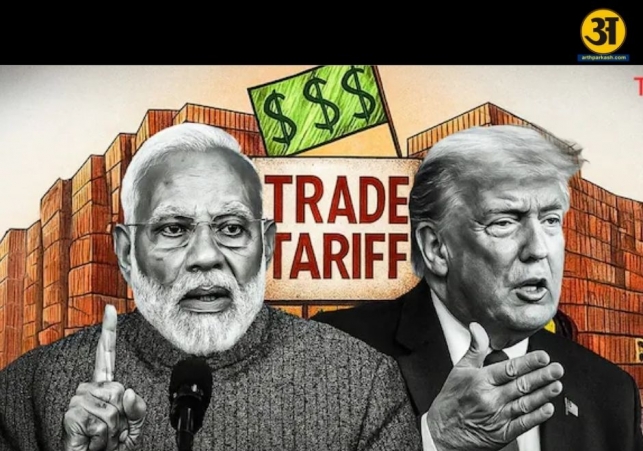
US President Donald Trump has taken a tough and unpredictable approach to trade with India. In just a few months, India has gone from being one of America’s most favoured trading partners — with a proposed low tariff of 10% — to being placed in the “enemy” list, now facing the highest tariff of 50%.
The shift has caused worry and uncertainty in New Delhi, especially because the United States is India’s biggest export market. The move has been seen as part of Trump’s bargaining style — create pressure, stir drama, and push for a deal that benefits the US, even if it is unfair to the other side.
The recent 21-day gap before the new tariffs start is a clear signal. Trump wants to give time for negotiations but also wants to force India’s hand into accepting a deal that would allow American companies easy access to Indian agriculture, fisheries, and dairy sectors.
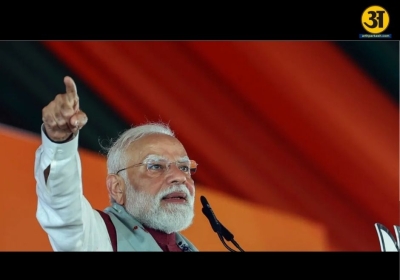
Prime Minister Narendra Modi, however, has made it clear that he is not ready to compromise on these sectors, as they affect millions of farmers, rural workers, and small industries in India. He has publicly stated that he is willing to pay a “personal price” for standing firm against the US. This statement is important — it shows that Modi is ready to take political and economic heat to protect the country’s long-term interests.
Why this tariff battle matters
When Trump first announced the 25% tariff, and later doubled it to 50%, it created immediate concern in India. Traders, exporters, and policymakers were left scrambling to understand the impact.
The United States buys about $86.5 billion worth of goods from India every year. This accounts for around 18% of India’s global goods exports and makes up 2.2% of the country’s GDP. If tariffs stay at 50%, many Indian products may become too expensive in the US market, making them uncompetitive. Analysts estimate that even if tariffs settle at 25%, India’s GDP growth could drop by 0.2–0.4% this year.
This is not just about trade — it’s also about the larger relationship between India and the US. Higher tariffs can feel like an unofficial trade sanction, putting pressure on diplomatic ties.
Some immediate effects are already being discussed. For example, India may not move forward with the purchase of US-made F-35 fighter jets, even though the US has shown interest in selling them. The talks have not formally started, and with current tensions, they may not start at all.
India could also hit back with retaliatory tariffs, as it did in 2019 when the US imposed duties on Indian steel and aluminium. Back then, India targeted 28 American products, including apples and walnuts, to protect its own market and send a message.
How India can respond and protect its interests
The Modi government has a range of options to deal with Trump’s tariff pressure. Some short-term and long-term moves could include:
-
Retaliatory duties on US goods – Just like in 2019, India could impose extra taxes on select American exports, especially agricultural products, to balance the losses caused by the US tariffs.
-
Going local with ‘Made in India’ – An aggressive campaign to promote Indian-made products and reduce dependence on imported goods could help offset some of the damage. This would also appeal to domestic industries and small businesses.
-
Expanding trade partners – India could deepen its trade and economic ties with countries like Russia, China, Brazil, and other nations that are also facing high tariffs from the US. This would help reduce dependence on a single export market.
-
Promoting South-South trade – Strengthening trade links with other developing countries in Asia, Africa, and Latin America could create new markets for Indian goods and services.
-
Using global platforms – Meetings of international groups like BRICS, Shanghai Cooperation Organization (SCO), and even the Quad could be used to discuss fairer trade rules and build stronger economic partnerships.
-
Developing new financial systems – India could work with BRICS countries to create payment systems that don’t depend on the US dollar. This would reduce vulnerability to American sanctions and currency pressure.
-
Revising oil and currency policies – A medium and long-term policy to manage currency fluctuations and oil imports could make India’s economy more resilient against external shocks.
These strategies all aim to protect India’s economic sovereignty while keeping doors open for future talks with the US.
The bigger picture
Trump’s style is well-known: create uncertainty, put maximum pressure, and then try to secure a deal that works in America’s favour. This is exactly what he’s doing with India now. But India’s response so far has been steady and calm, avoiding unnecessary escalation while preparing for all scenarios.
For Modi, the stakes are high. On one side is the risk of losing a significant export market and slowing down economic growth. On the other is the risk of political backlash if he agrees to open sensitive sectors like agriculture and dairy to American companies.
By refusing to give in too quickly, India is sending a message — it values fair trade, but not at the cost of its farmers, rural economy, and long-term independence.
ALSO READ: How Trump’s tariff tirade may be fueling a Russia-India-China troika revival | Explained
ALSO READ: How many times should you tie the Rakhi thread? Understanding the tradition behind it
This could also be a turning point in India’s economic journey. Just as the 1991 economic crisis led to historic reforms, and the 2008 global financial crisis encouraged diversification, the current tariff shock could push India to strengthen its local industries, find new markets, and build a more self-reliant economy.
The tariff battle with Trump’s America is not just a test of trade policy — it’s a test of India’s resilience and ability to protect its own interests in a rapidly changing global economy.
If handled well, this crisis could become an opportunity for India to grow stronger, diversify its trade relationships, and reinforce its position as an independent, confident player on the world stage.
Prime Minister Modi’s stand signals that India will not compromise on its core interests, even if that means short-term pain. History shows that India has often turned moments of adversity into turning points for growth — and this may be another such moment.
Related News